Signs a Loved One May Need Home Care
Is It Time? Signs Your Loved One May Need Extra Help at Home
It usually starts with small, easily dismissed details. You visit your parent’s home in Broward or Palm Beach County and notice a stack of unopened mail on the counter, or a dent on the car bumper that wasn’t there before. Perhaps the refrigerator is looking unusually empty, or their clothes seem a bit looser than usual. Recognizing the subtle signs that a senior loved one needs help is a journey shared by millions of adult children every day.
Because our parents or spouses often want to shield us from their struggles, they rarely ask for help directly. Instead, we have to look for the physical and behavioral clues. Key warning signs include:
Changes in Hygiene and Appearance: Neglecting laundry, infrequent bathing, or unkempt hair.
Household Neglect: A once-spotless home becoming cluttered, dirty, or filled with expired food.
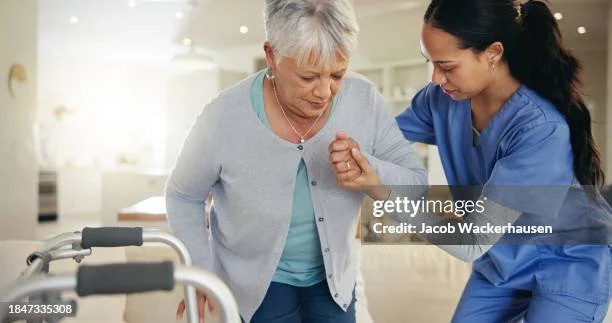
Physical Decline: Unexplained bruising (often a sign of unreported falls), difficulty standing up from a chair, or a sudden change in gait.
Cognitive and Emotional Shifts: Forgetting medication doses, missing important appointments, withdrawing from social activities, or displaying unusual mood swings.
It is also important to pay close attention to their driving habits and community interactions. In South Florida, where driving is often a necessity for independence, minor traffic accidents, scrapes on the side of the car, or a sudden reluctance to drive at night are major red flags. If your loved one is getting lost on familiar routes to the local grocery store or pharmacy, it points to cognitive changes that require immediate attention and support before a serious safety incident occurs.
Moreover, look at the caregiver of the household if your parents live together. Often, one spouse will quietly take on the role of primary caregiver, slowly burning themselves out trying to manage the other's declining health. If you notice that the healthier spouse seems constantly exhausted, irritable, or is neglecting their own medical appointments, it is a clear indicator that the household as a whole needs professional reinforcement to prevent a double-health crisis.
Noticing these changes doesn't mean your loved one has to give up their independence or move into an assisted living facility. On the contrary, introducing professional home care early on is a proactive step that prevents accidents and preserves their autonomy. A compassionate caregiver can step in to assist with the exact tasks that have become difficult, easing the burden on your loved one and bringing invaluable peace of mind back to your family.